

Half of Gen Z and millennial gamers want to see more celebrities in video games, according to Deloitte's Digital Media Trends survey. Gen Z does its fandom in public and in play: sharing emotes inspired by K-pop idols, joining digital treasure hunts with a football club, queuing for a virtual meet-and-greet on Roblox.
So how does a brand turn that passion into results it can measure? We asked Karta, the studio behind virtual experiences for Juice WRLD, TWICE and BLACKPINK as well as GEEIQ partners HUGO and NASCAR, and paired their answers with the performance data behind each campaign. Five tactics came out of it:
Understand the fandom before you build for it
Meet fans where they already spend their time
Partner with the figures and brands fans already love
Connect physical and digital touchpoints
Set data-driven goals, and get the data to judge them
What is fandom?
Fandom, a blend of "fan" and "kingdom", describes a group of people who share a deep connection to a particular person, brand or area of entertainment. It covers the shared experiences, in-jokes and creativity that turn individual fans into a community.
For Gen Z, fandom lives in high-attention digital spaces: social media and virtual worlds such as Roblox and Fortnite. Those platforms let fans express their passion, find like-minded people and shape the culture they love. YouTube's 2024 Culture and Trends report found that 89% of Gen Z call themselves a fan of someone or something, and 91% of those fans took part in fan activity over the past year.
Fandom is more than following. It is the shared activity that turns fans into loyal, engaged communities, and that is what marketers can tap into.
How can brands tap into Gen Z fandom?
1. Understand the fandom and your audience
To reach Gen Z fans, brands need to know what their audience values most and where it spends its time.
Take TWICE Square on Roblox. The K-pop group recognised that its fans wanted more than passive content. They wanted interactive, shared experiences. By running a virtual meet-and-greet with direct interaction with the band, TWICE gave its fandom a place to connect and take part.
The results: over 301,000 fans attended, sharing 105,000 messages, with paying users spending an average of 90 Robux each. The experience has now passed 95.7 million total visits (GEEIQ data, September 2026), two years on from launch.
Morgan Evans, Director of Fashion and Beauty at Karta, explained what made it work:
"TWICE Square is always about fandom. Die-hard fans want to know what's next. It's not just about a virtual concert, it's about translating that fandom into opportunities for engagement, like queues for gigs, experiences, or items."
2. Meet your audience where they are
Roblox and Fortnite have become social hubs for Gen Z, and a growing share of their attention now goes to virtual worlds rather than social feeds. Our Gen Z and Gen Alpha attention hub has the numbers. Brands that show up in those spaces with something worth doing get engagement that a feed post cannot match.
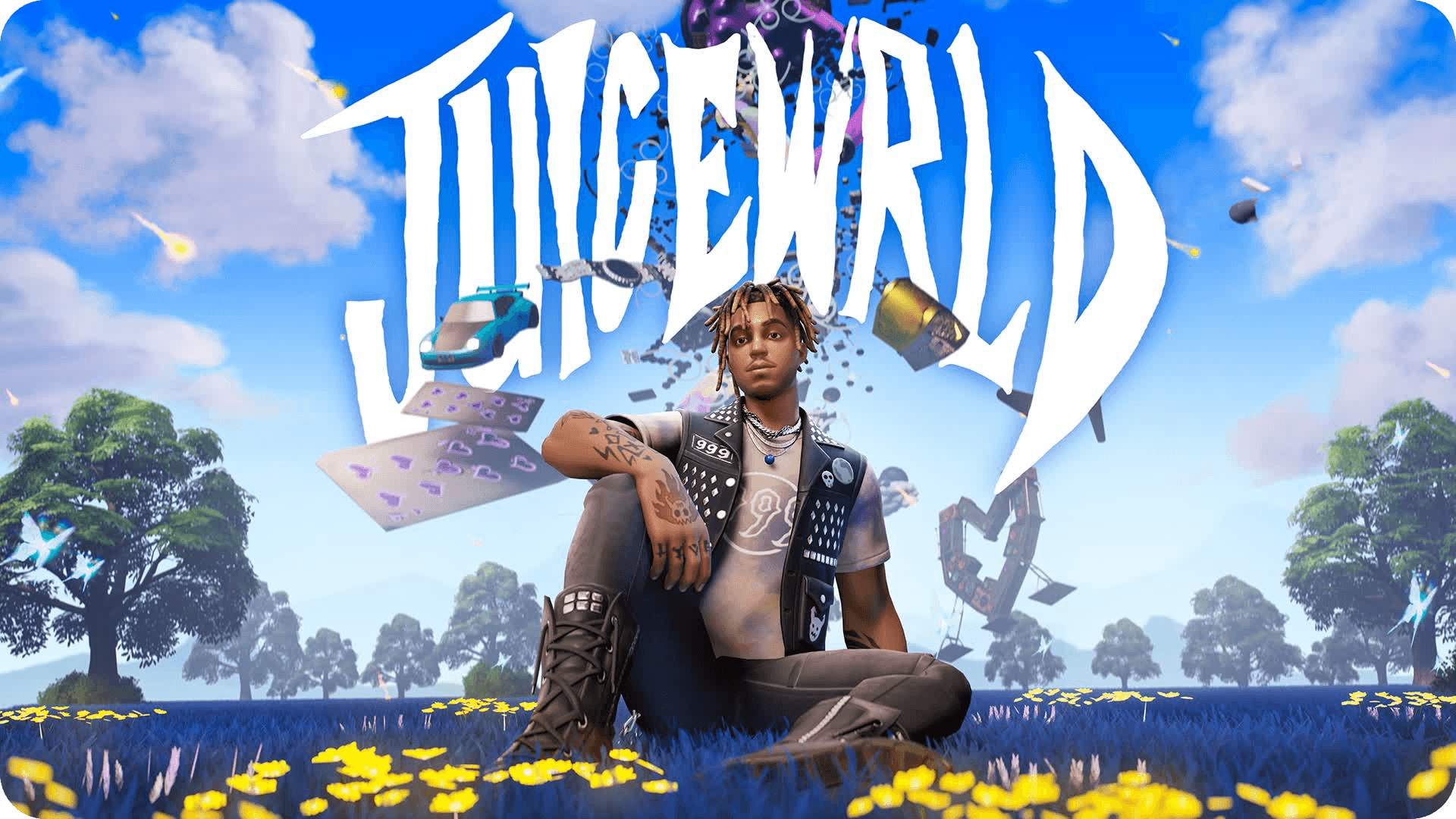
Juice WRLD's Fortnite activation shows the scale. Launched with Interscope Records and Grade A Productions, the island delivered these results in its first 24 hours:
11,377 concurrent users
62.5% island retention rate
172,000 total plays
Over 2 million minutes played
The launch coincided with Fortnite's The Remix Finale event, which drew more than 14 million players to the platform. Music fans were already there, so the island met them mid-session and turned fandom into measurable engagement.
3. Partner with popular figures and brands
Collaborations with people and brands fans already follow bring an audience with them.
Manchester City did this on Fortnite with The Ladder, a competitive game that held 475 average active players after its July 2024 launch. Jack Grealish played it live, which generated buzz and social content around the event. Grealish already had a gaming audience from his earlier appearance in Gucci Town on Roblox.
The club's Blue Moon experience on Roblox has drawn 11.6 million visits since February 2023 (GEEIQ data, September 2026), rewarding fans with free UGC items for milestones such as 20,000 goals and exclusive drops through community challenges. Star power plus rewards is how Manchester City keeps fans coming back.
A strong IP is the starting point, not the result. As Evans put it:
"Just building a 3D space isn't enough. The visual quality is less important if the whole activation successfully taps into the culture. A lot of the time the best graphics perform poorly on engagement as it is often style over substance."
4. Connect physical and digital touchpoints
Fans want a closer connection with the brands and people they follow. Phygital campaigns, which link a physical event or product with a digital experience, deliver on that.
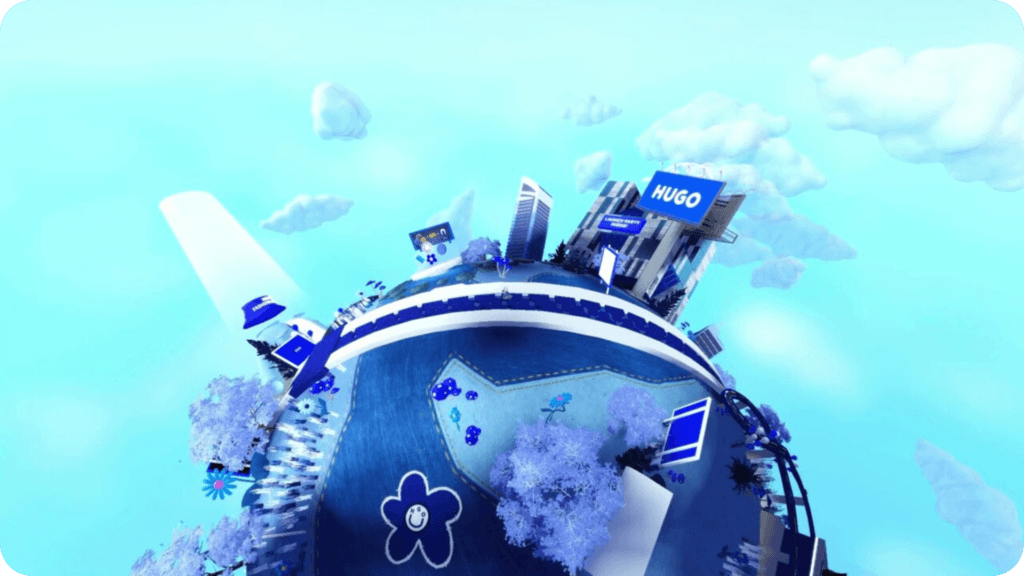
A standout example is the strategy GEEIQ partner HUGO ran with the Visa Cash App RB Formula 1 team. The campaign linked real-world Grand Prix events to Roblox, giving fans a digital twist on the sport they follow. It included:
Digital product replicas: HUGO brought its signature denim line into Roblox, so fans could wear virtual versions of real products.
Phygital events: Real-life launch parties in Miami and Berlin were mirrored on Roblox.
Driver-signed virtual items: Exclusive items carrying F1 driver signatures gave fans a new way to celebrate their favourite athletes.
In December 2024, HUGO also became one of the first brands to sell real-world products on Roblox. The campaign worked as one experience across both worlds, which is why fans kept returning.
5. Set clear, data-driven goals
Brands need goals that match their objective before launch, whether that is cultural relevance, ticket sales or merchandise revenue.
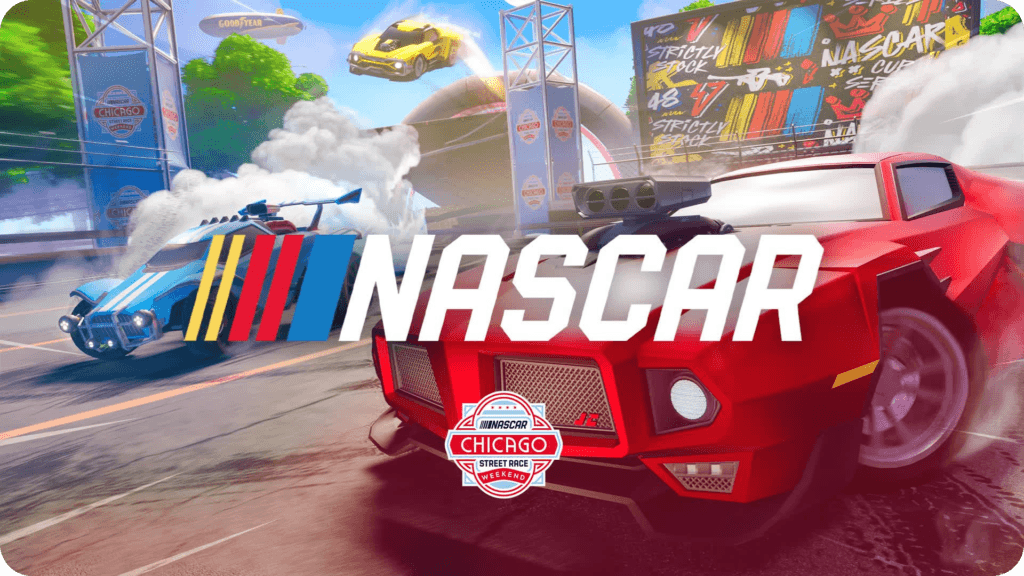
GEEIQ partner NASCAR went to Fortnite to reach Gen Z. It rebuilt its iconic races as Fortnite maps, including Talladega Time Warp, a journey through NASCAR's history, and backed the launch with a $10,000 content creator tournament.
The Chicago Street Race map reached 157 peak active users, solid for a Fortnite Creative activation, and the campaign generated 25,000 organic views on YouTube. Those numbers suggest NASCAR has a niche audience on Fortnite. They also show the problem: without access to retention, plays and minutes played, a brand cannot judge a Fortnite campaign properly, and Fortnite does not hand that data over.
That is where a studio like Karta or a data platform like GEEIQ comes in. Both can surface the numbers a brand needs to refine a campaign, and our guide to the 10 gaming metrics you need to know explains which ones to ask for.
Key takeaways
Gen Z fandom is participatory. Fans want to take part, and virtual worlds are where they do it.
The campaigns that worked, from TWICE Square to HUGO's F1 season, started from what the fandom already valued and built around it.
Goals and data come before launch. Without them, you cannot tell 157 players from a result.
For the full picture of how brands are showing up in Roblox, Fortnite and Zepeto, read The State of Brands in Virtual Worlds 2026.