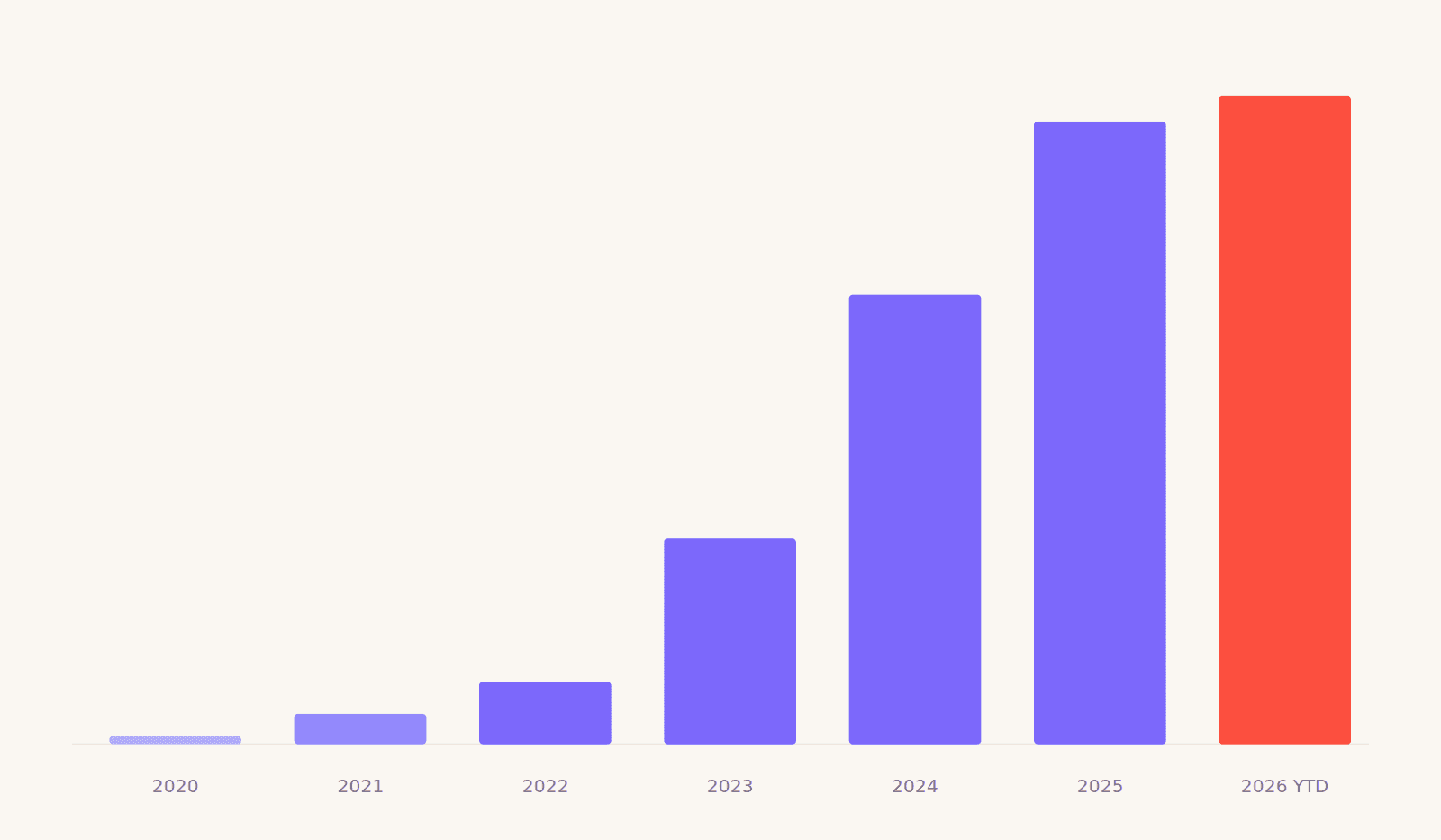


M&E activations on Roblox and Fortnite have grown 79× in six years. By the end of 2025, GEEIQ had tracked 789 cumulative activations across the two platforms. That number gets the headlines, but it's not the only interesting thing in the data.
In 2025, 58% of M&E activations were integrations rather than owned worlds. Add item drops, and it climbs to 75%. When brands first started showing up in virtual worlds, the assumed play was to build something from scratch. Most of the activity now happens inside experiences brands don't own.
That shift maps onto a clearer strategic split that M&E brands are starting to make consciously.
Two strategies
You can frame the decision as "build or rent," but most M&E marketers don't actually think in those terms. They think in terms of what the activation has to do for the IP.
Amplify a moment. Time-bound, tied to a release. Film opening, season finale, an announcement that needs to land hard in a small window. Integrations into existing high-traffic experiences do this best. Costs can typically run $25k–$150k for a campaign lasting weeks rather than months.
Sustain a fandom. Always-on, somewhere for fans to go between content drops. Owned worlds are the route, but they're a real commitment: $600k–$1M to build, 3–12 months of lead time, and ongoing liveops to keep them alive.
Some IPs use both. Wicked is the cleanest recent example.
Wicked: one IP, three activations
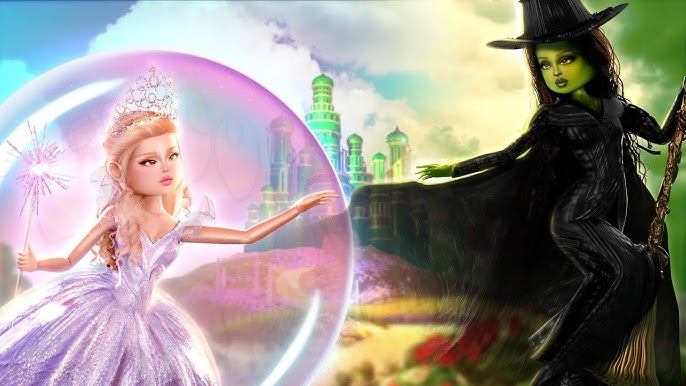
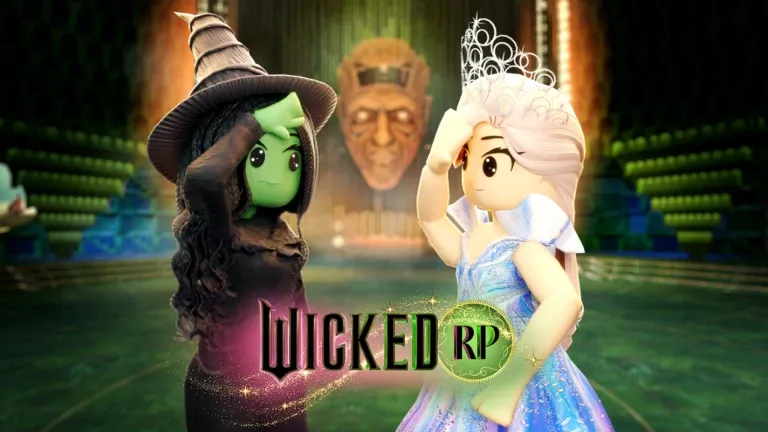
Universal has run the Wicked franchise through both strategies on Roblox inside two years.
October 2024, for the first film: Wicked RP, an owned world. A persistent roleplay experience set in Shiz University. 24M cumulative visits since launch.
November 2025, for the second film: Universal didn't build anything new. Instead, Wicked-themed content went into Brookhaven RP and Dress To Impress, two of the largest community-built experiences on the platform. Brookhaven has drawn 240M+ visits since the integration. Dress To Impress added another 40M.
The contrast is the point. Same IP, same platform, a year apart, two different routes. The owned world was about building a place for the fandom to live around the first film. The integrations were about reach: getting Wicked in front of an audience that was already there.
Neither one was wrong. They were answering different questions.
What's driving the move toward integrations?
Wicked isn't an exception. Across the GEEIQ dataset, 27% of brands that have run more than one virtual world activation started with an owned world and then moved to integrations. The migration is consistent enough to be a pattern, and three things explain most of it.
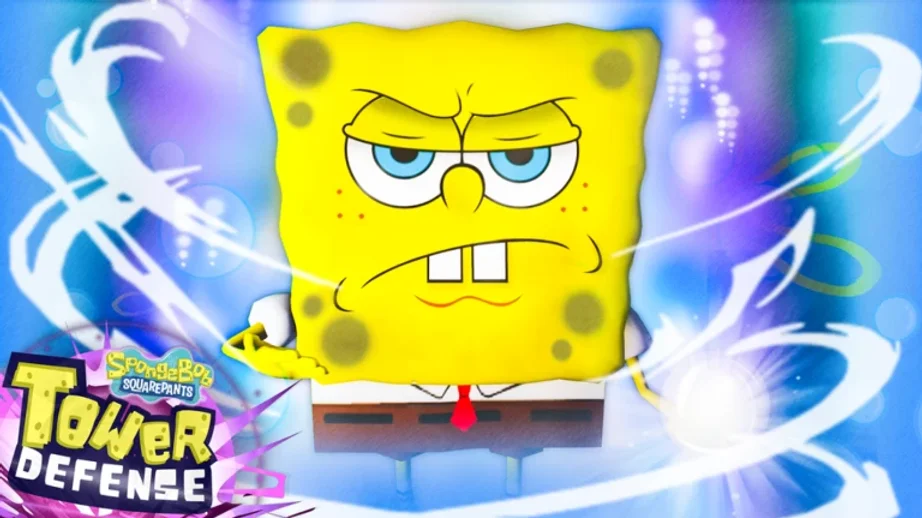
First, the audience isn't in branded experiences. Even the best-performing M&E owned worlds run into a ceiling on reach. SpongeBob Tower Defense is the standout at 657M cumulative visits, but it's the exception. Most M&E owned worlds sit well below that. The largest community-built games on Roblox, by contrast, do 600M to 1.2 billion+ visits. Players are spending their time in Brookhaven, Blox Fruits, Dress To Impress, the long tail of community experiences. If you want to reach them, you go where they are.
Second, the economics. Branded content on social media holds attention for an average of 1.3 seconds. Branded experiences in virtual worlds hold it for about 11 minutes. GEEIQ benchmarks consistently show integrations outperforming traditional social channels on cost per engagement, and for most M&E briefs that's the comparison that matters. An integration converts that engagement gap into reach. An owned world converts it into depth. Which one you want depends on what the brief is.
Third, gaming holds attention differently to other digital channels. McKinsey's 2025 Attention Report ranked gaming third across all attention environments for focus level, at 73%. That's behind in-person and books, but well ahead of video streaming (57%) and social media (40%). For M&E brands whose entire product category is competing for attention, the math is unusual: a digital channel that holds attention closer to the way physical media does.
When owned still wins
The migration toward integrations is real, but it's not a rule.
Owned worlds still win in three situations. The first is long-lifecycle IPs with active fandoms. SpongeBob Tower Defense is the textbook case: launched September 2024, weekly updates, persistent community, 657M visits and still climbing. Gabby's Dollhouse runs the same playbook at smaller scale for DreamWorks. Both are kids and family IPs with long content slates, both have teams set up to support weekly liveops, both are building community assets that compound.
The second is when control matters. Owned worlds are the only route if you need full control over monetisation, the data, the creative direction, or the narrative. Integrations operate inside someone else's rules.
The third is when fandom is the product. When fans want somewhere to be with the IP rather than just see it, an integration can feel like an ad placement. An owned world is a place to live.
The thing to avoid is picking on budget rather than lifecycle. A film release isn't an owned world brief, regardless of how much money is in it. A multi-season franchise with an engaged fandom isn't an integration brief, regardless of how cheap an integration looks on paper.
Three questions to ask first
Before deciding, three questions get most M&E briefs to the right answer.
How long is the moment you're activating against? A six-week film window points to integration. A multi-year franchise with active fans points to owned, with the budget and liveops commitment that implies.
Where is your audience already spending time? Platform overlap is lower than most marketing teams assume. Only 14% of Roblox users also use Fortnite. Only 7.5% of Minecraft users overlap with Roblox. The platform you pick, and the experiences inside it, should follow where your audience already is. Not where it's easiest to build.
Is there a team behind it? An owned world without ongoing updates decays fast. If there's nobody set up to push weekly content for at least a year, an integration is almost always the better call.
The 789 activations GEEIQ has tracked show these decisions are being made every week, with varying degrees of intention. The brands getting it right aren't the ones with the biggest budgets. They're the ones matching the activation to what the IP actually needs.