
Roblox used CES 2026 to make one thing clear: it wants to be taken seriously as an advertising platform.
The company rolled out three major announcements that signal a shift away from experimental brand activations toward full-scale advertising infrastructure. For marketers, this moves Roblox much closer to platforms like YouTube or TikTok than a niche gaming channel.
For anyone working with brands in virtual worlds, this moment matters. Here’s what stood out for GEEIQ, and why it changes how brands should think about Roblox in 2026.
Homepage Feature brings CPM buying to the Roblox homepage
The headline announcement is Homepage Feature, a new CPM-based ad format that places brands directly on the Roblox homepage, where all 151 million daily active users start their sessions.
Currently in closed beta with e.l.f. Beauty, Sam’s Club, and Universal Pictures’ Five Nights at Freddy’s 2, the format allows players to click into a preview of a brand experience via a video that automatically converts into an immersive 3D environment.
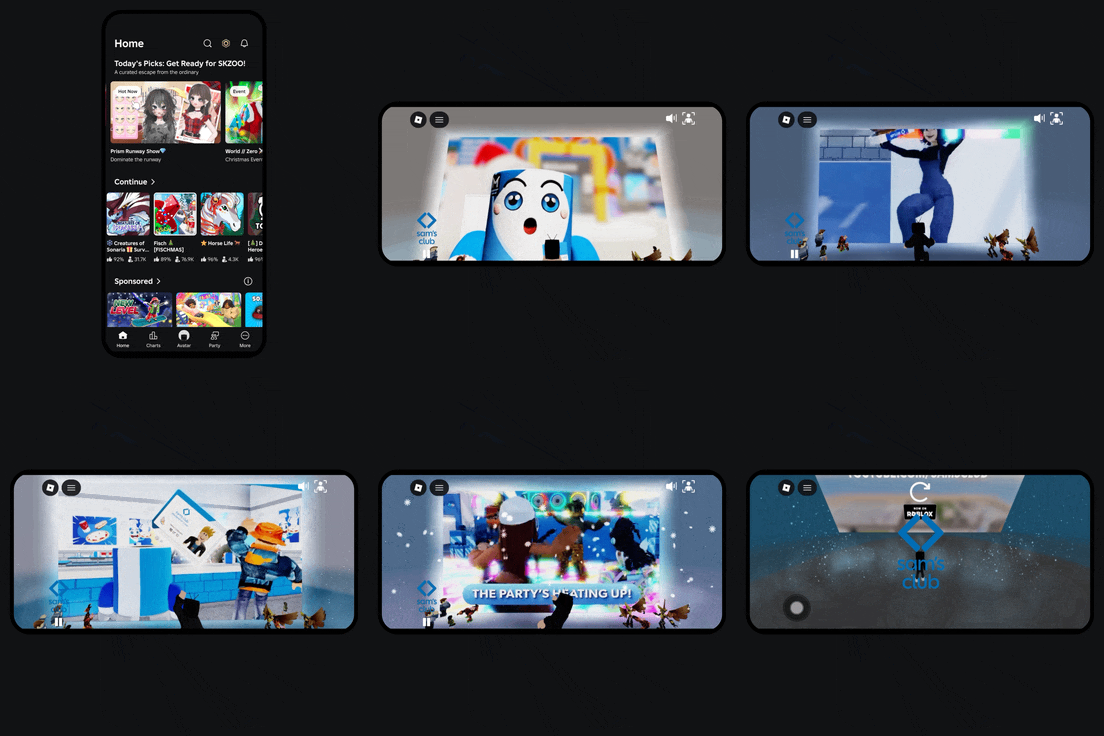
By effectively offering a game trailer at the point of entry, Homepage Feature helps brands attract more qualified users who actively want to explore the experience. Just as importantly, the format is bought using metrics brand teams already understand.
GEEIQ partner Sam’s Club’s Leslie Shepard highlighted the value of the placement, noting that it sits “where the most relevant games are being served, creating an organic, stronger connection to the audience than traditional digital ad placements.”
Rewarded Video proves performance, not reach
Rewarded Video, launched in 2025, has now scaled to more than 400 experiences and over 1,000 brands. Performance metrics are strong, with completion rates exceeding 90% and viewability above 95%, outperforming most digital video benchmarks.
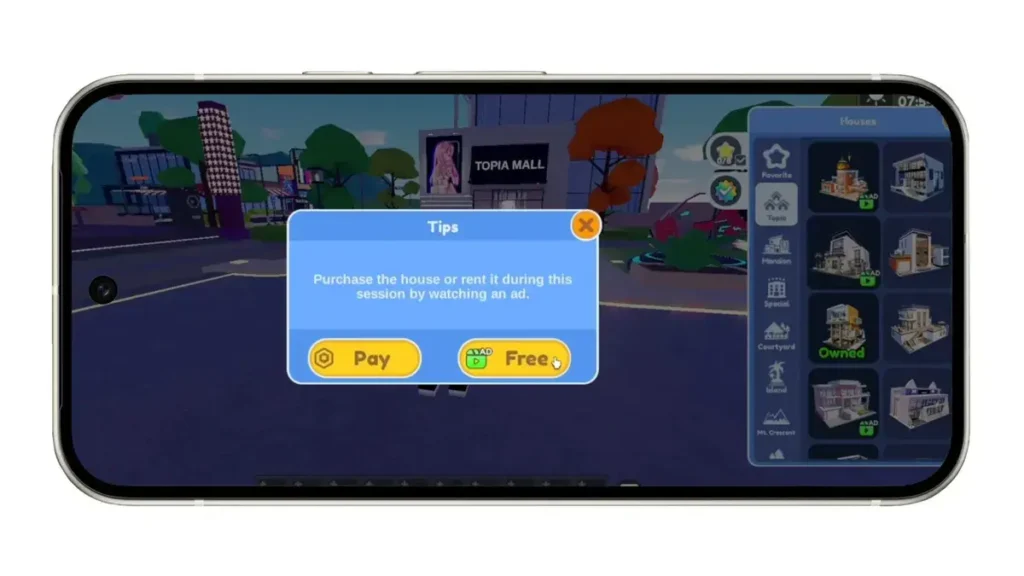
For brands, this confirms Rewarded Video is no longer just a mobile gaming tactic. It is a performance channel with meaningful scale inside UGC platforms.
The trade-off is reach. The opt-in mechanic filters for highly engaged users, which explains the results. Brands are not buying broad exposure here, they are buying intent. That distinction matters when planning campaigns and setting expectations internally.
Programmatic expansion makes Roblox just another line item
Beyond its existing Google partnership, Roblox announced five new programmatic integrations at CES. These include Amazon DSP and Liftoff on the demand side, and Index Exchange, Magnite, and PubMatic on the supply side.
This means media buyers can now access Roblox inventory through the same dashboards they already use across other channels. Amazon DSP’s Chris Conetta framed this as brands seeking “distinctive ways to engage Gen Z and Gen Alpha audiences in immersive environments.”
In practice, it signals something simpler. Roblox is lowering the barrier to entry as far as it possibly can.
The bigger picture
Taken together, these announcements show Roblox building advertising infrastructure that positions the platform alongside major social, video, and mobile platforms, rather than as a gaming-specific experiment.
Homepage Feature introduces premium placement with familiar buying mechanics. Rewarded Video demonstrates performance at scale. Programmatic expansion removes friction from the buying process.
Practically, this means the barriers to entry on Roblox are dropping, competition is increasing, and the conversation is shifting.
The question is no longer whether brands should be on Roblox. It is how they execute strategically and competitively as the platform becomes easier to buy and harder to stand out.